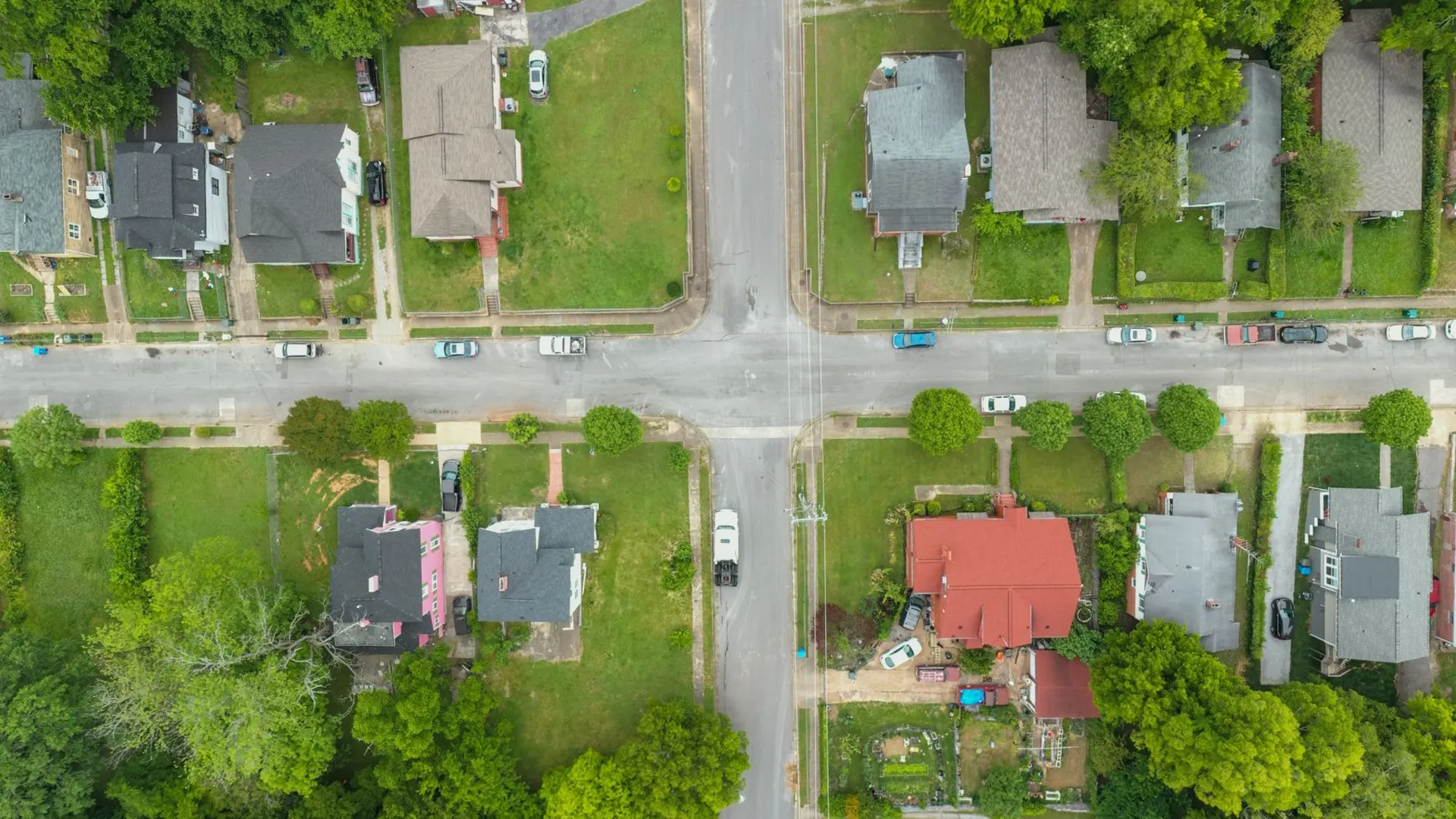
The short answer is no. A stranger who has your IP address cannot look up your home address with it. They can usually learn your internet provider and your approximate area, and that is where the public information ends.
What someone can see from your IP address
Anyone can put your IP address in a lookup tool. The usual result is:
- Your internet provider
- Your country, and often your region
- An estimated city, which can be wrong
- Your time zone
You can see what your own address reveals on the WhatsMyIP.net homepage. The result is often less exact than people expect, as we explain in why your IP location can be wrong.
What about the coordinates in lookup results?
Many lookup tools show latitude and longitude, and a pin on a map looks very precise. It is not. Those coordinates mark the middle of an estimated area, and the area can span a whole city or more.
This has caused real harm. In a widely reported US case, a default map coordinate in a location database pointed to a farm in Kansas, and its residents received years of unwanted visits from people searching for someone they had traced by IP address. They had nothing to do with those addresses. Never treat a lookup result as someone's home.
Who can connect your IP address to you?
Your internet provider can. It knows which customer used an address at a given moment, and it has your name and billing address.
That link is not public. Providers generally share it only when the law requires it, for example with police who have a court order or a similar legal request. The rules differ by country, and a private person cannot simply ask for it.
Sites that you have an account with also know more. If you log in to a shop, that shop can link your IP address to the delivery address in your account. That information comes from the account, not from the IP address.
How your location really leaks
If someone does find your home, your IP address is rarely how it happened. More likely sources are:
- Public profiles and posts that mention your neighborhood or workplace
- Photos with location data, or with recognizable surroundings
- Data broker sites and public records
- Data breaches at services that had your address
- Location permissions you gave to apps and websites
What can someone do with your IP address?
Having your IP address does not give anyone access to your devices. There are still a few realistic risks:
- Flooding your connection: an attacker can send so much traffic that your internet stops working for a while. This mostly happens to gamers and streamers.
- Scanning for open services: automated scanners test addresses all day, looking for routers and devices with weak settings.
- Rough profiling: sites use your IP address for regional advertising and fraud checks.
How to protect yourself
- Keep your router updated, and change its default admin password.
- Close port forwards you do not need.
- Use a VPN when you want to hide your IP address from sites and game servers.
- Check the location permissions on your phone and browser.
If someone threatens you and claims to have your address because of your IP, take it seriously as a threat, but know that the claim itself is usually a bluff. Save the messages and report them to the platform, and to the police if you feel unsafe.